- product -
Introduction:Pressure Atomizing Nozzle – Working Principle, Core Advantages, Applications Selection GuideIn fields such as spray drying, industrial dust collection, and food processing, the pressure atomizing nozzle is one of the core components. It us……
Pressure Atomizing Nozzle – Working Principle, Core Advantages, Applications & Selection Guide
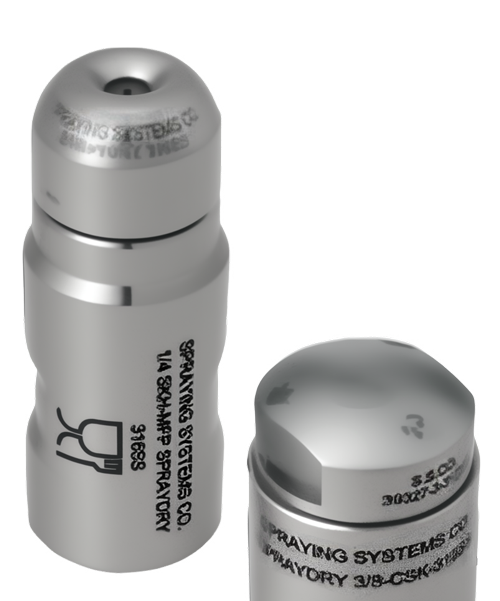
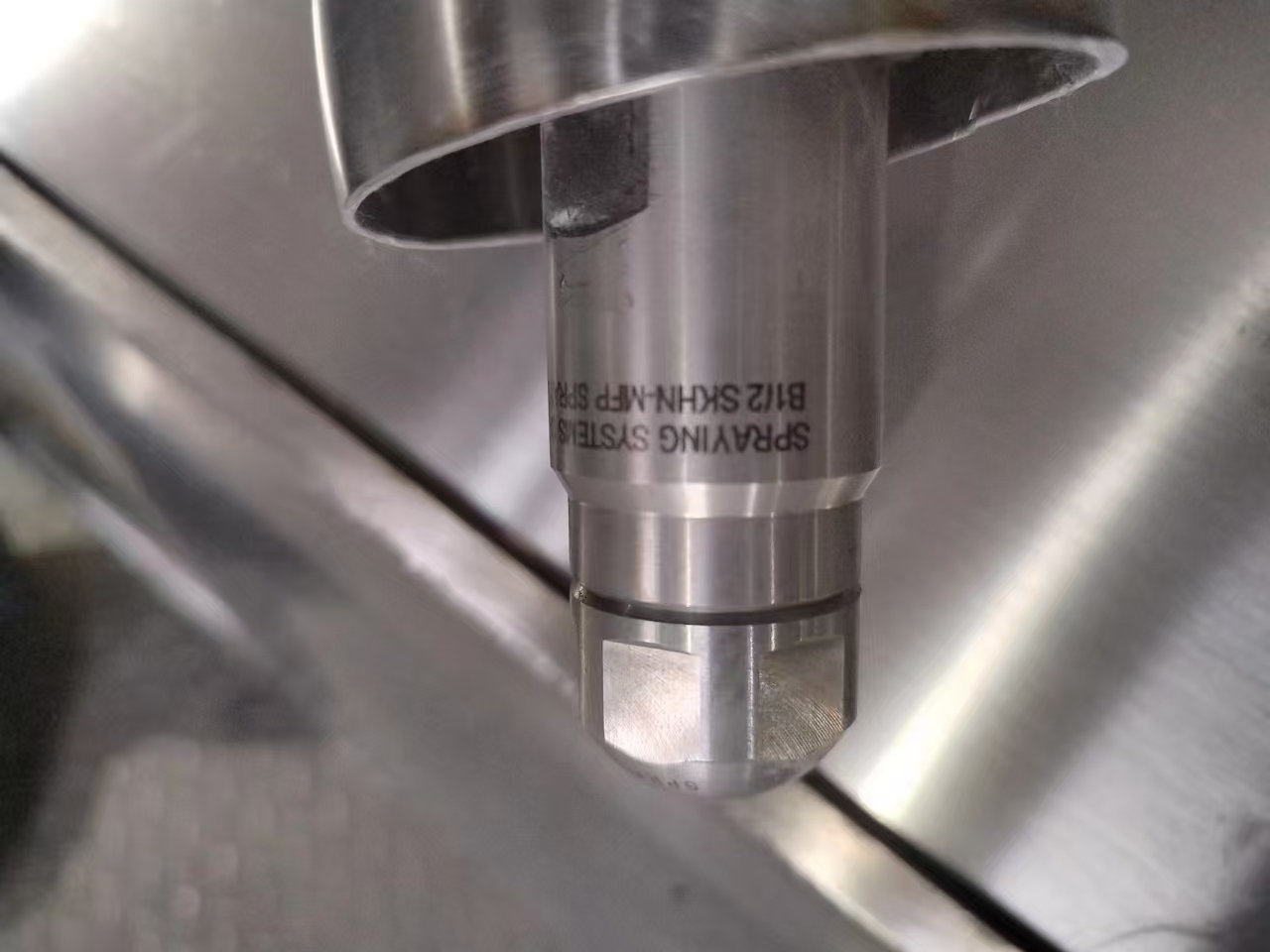
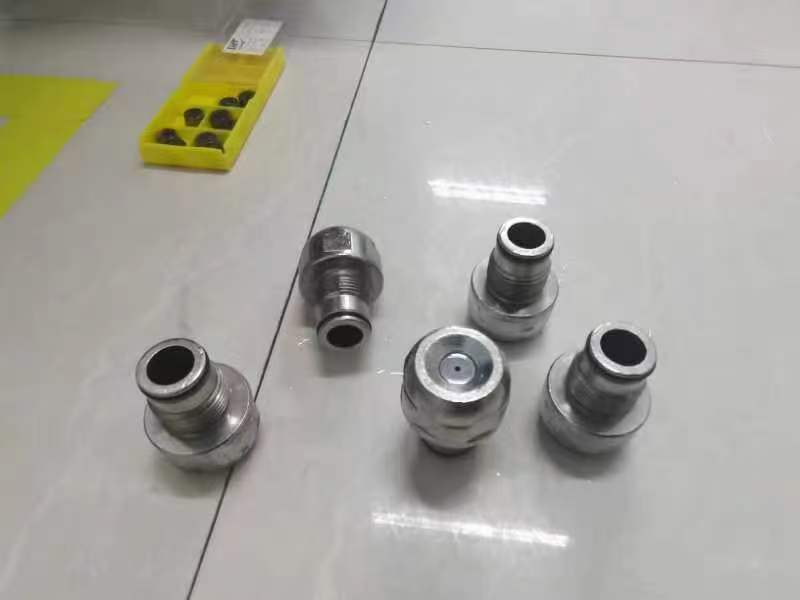
In fields such as spray drying, industrial dust collection, and food processing, the pressure atomizing nozzle is one of the core components. It uses high pressure to break liquids into uniform droplets, enabling efficient material drying, cooling, or humidification. This article provides an in-depth understanding of the working principle, core advantages, industry applications, and key selection points of pressure atomizing nozzles.
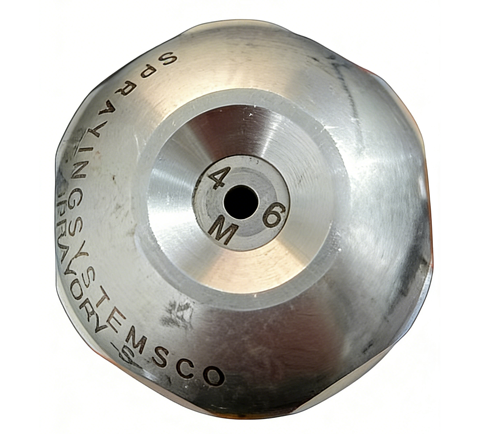
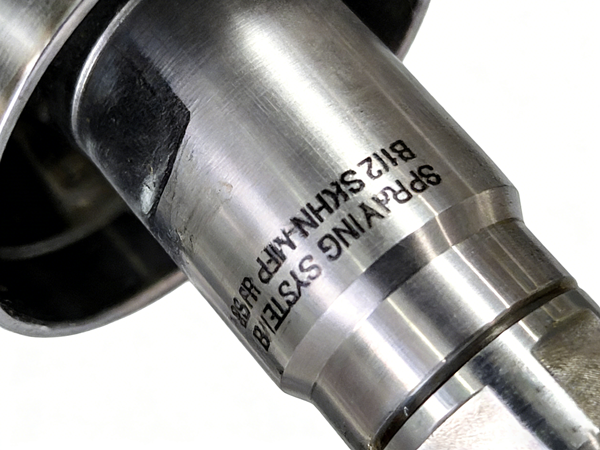
The pressure atomizing nozzle belongs to single-fluid atomization technology. Its core principle is to use a high-pressure pump to pressurize the liquid to 0.5–40 MPa, causing the liquid to form a high-speed rotating liquid film inside the swirl chamber or slotted core of the nozzle. When the liquid film is ejected through the small orifice of the nozzle, it breaks into micron-sized droplets under the combined action of centrifugal force and air shear force, forming a hollow cone or solid cone spray pattern.
This purely hydraulic-driven design requires no external air source, features a simple structure, and offers low energy consumption, making it the preferred choice for large-scale industrial applications such as spray drying.
Low Energy Consumption, High Cost-Effectiveness
Requires no compressed air or auxiliary air source – operates solely with a high-pressure pump. Overall system energy consumption is 30–50% lower than air-atomizing nozzles, offering significant long-term cost savings.
Uniform Droplets, High Stability
The precision-designed swirl chamber achieves high droplet size uniformity (coefficient of variation <15%). Spray performance is minimally affected by external environmental conditions, making it suitable for food and pharmaceutical industries with high product quality requirements.
Compact Structure, Easy Maintenance
The single-fluid design reduces the number of pipelines and valves. Routine maintenance only requires periodic cleaning of the nozzle and replacement of filter elements. Can be integrated with CIP (Clean-In-Place) systems for aseptic production.
Suitable for High-Viscosity Liquids
Compared to air-atomizing nozzles, pressure nozzles are more suitable for high-viscosity liquids (e.g., concentrated milk in milk powder production, pasty materials). The large-bore design effectively reduces the risk of clogging.
Milk Powder / Protein Powder Spray Drying
The SprayDry® series nozzles are an industry standard for milk powder production. By precisely controlling droplet size (10–50 μm), they ensure uniform milk powder particles and good solubility.
Special Medical Purpose Food Production
Food-grade 316L stainless steel construction and CIP cleaning design meet GMP aseptic production requirements, suitable for drying processes of nutritional formula powders.
Coffee Powder / Non-Dairy Creamer Drying
Hollow cone spray provides wide coverage, improving drying efficiency while preserving material flavor.
Industrial Dust Collection & Cooling
Droplets of 50–200 μm effectively capture dust particles, commonly used for flue gas dust collection and equipment cooling in power plants and metallurgical workshops.
Powder Humidification & Conditioning
In the feed and building materials industries, precise humidification adjusts powder moisture content, improves flowability, and reduces dust emissions.
Pre-Treatment for Coating
Used for atomizing phosphating solutions and passivation solutions on metal surfaces, achieving uniform spraying and improving coating adhesion.
Pharmaceutical Spray Drying
Aseptic design and precise droplet control are suitable for drying biological products such as vaccines and probiotics, with high retention rates of active ingredients.
Coating Process
In tablet coating, pressure nozzles achieve uniform atomization of coating solutions, ensuring consistent coating thickness.

Top







 location: