- product -
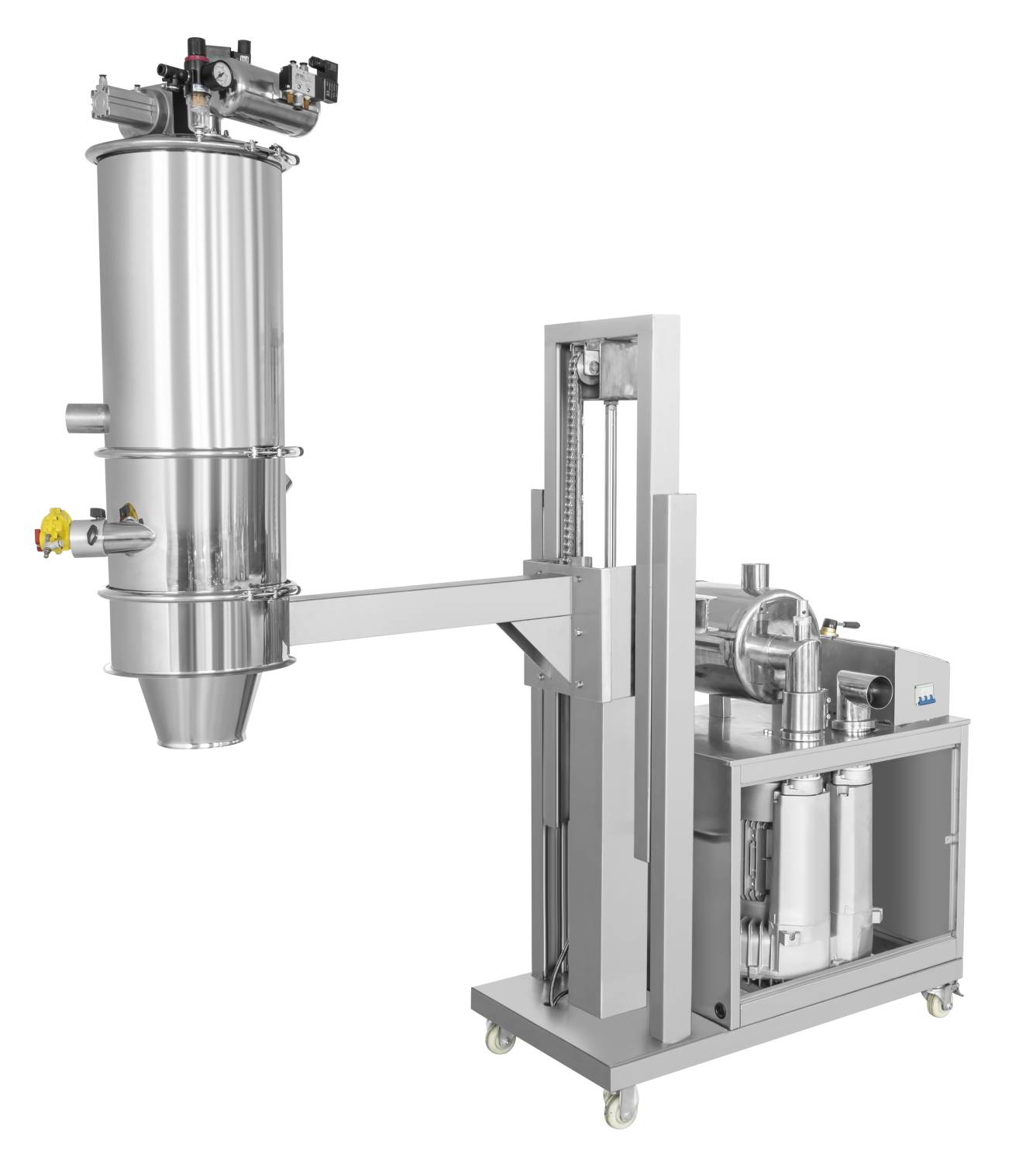
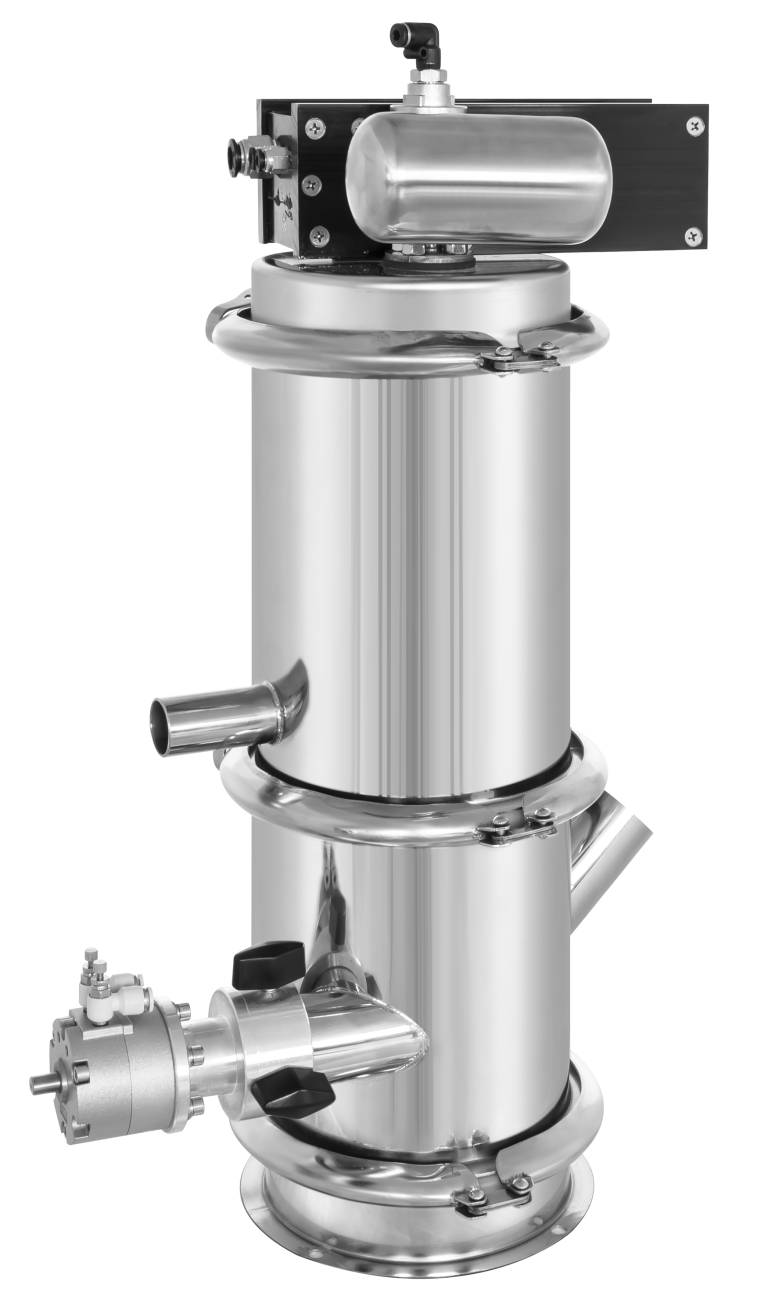
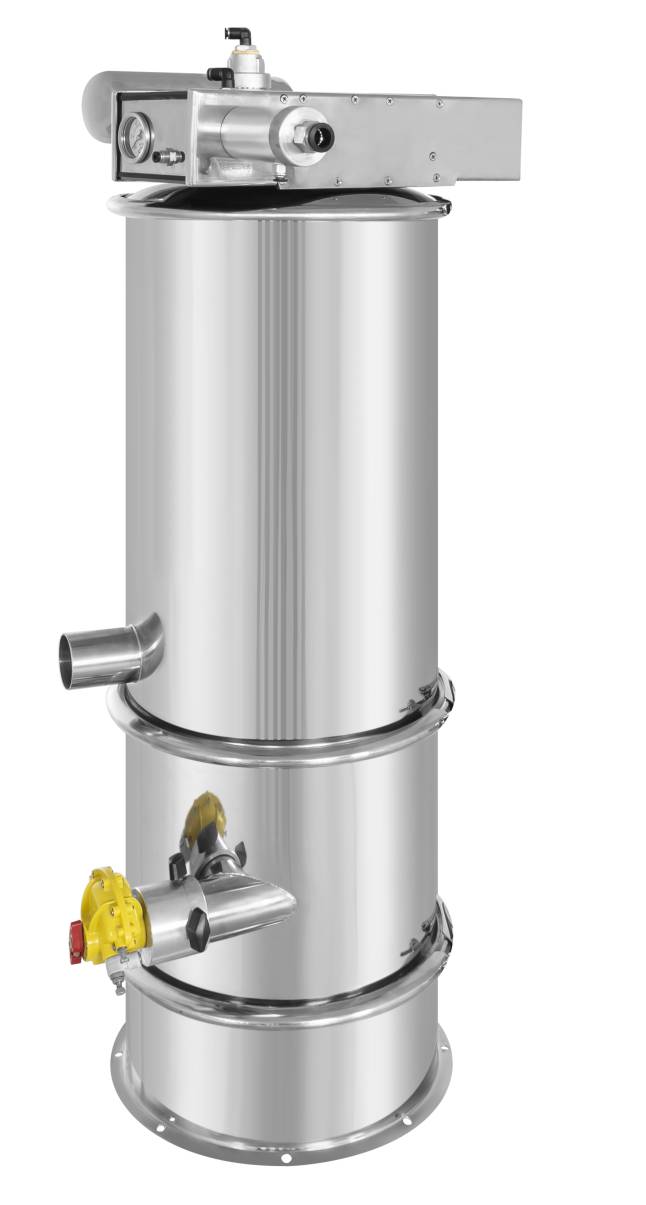
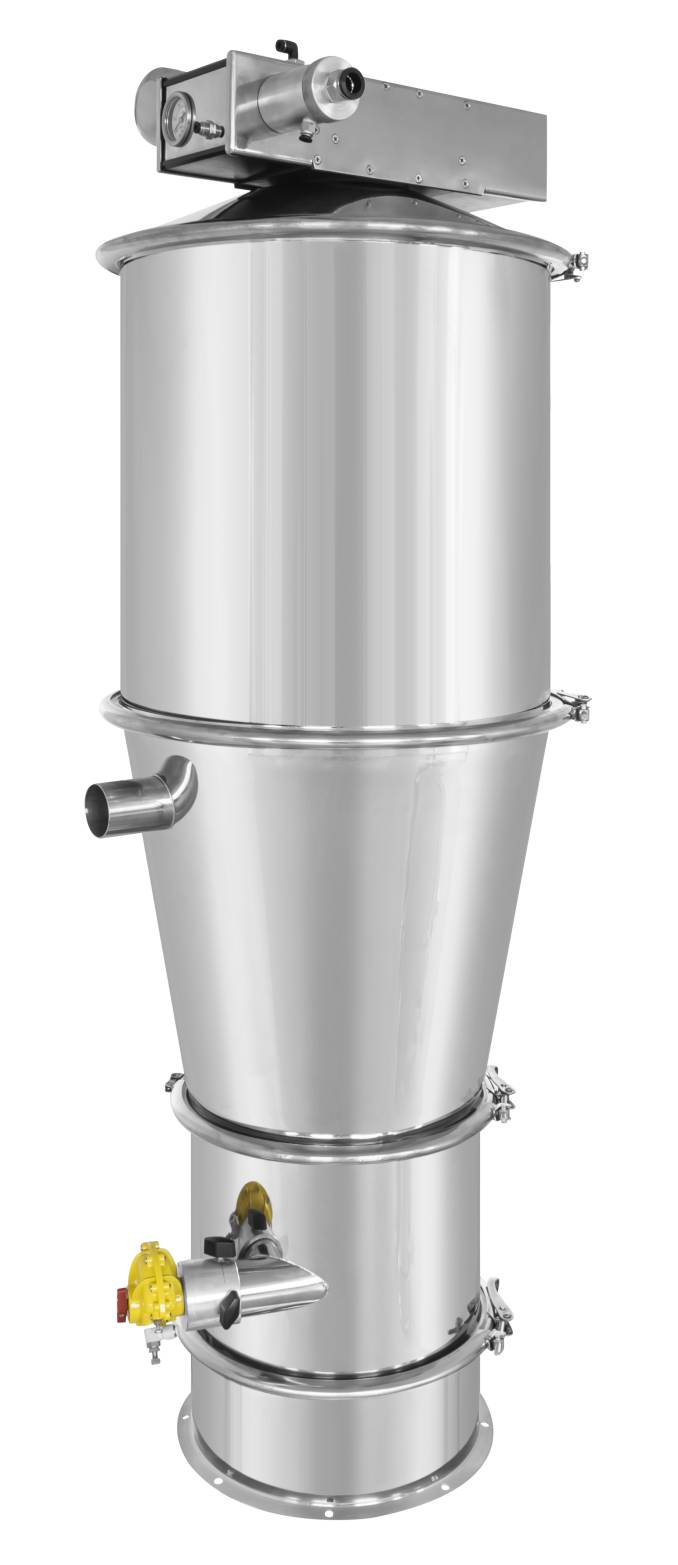
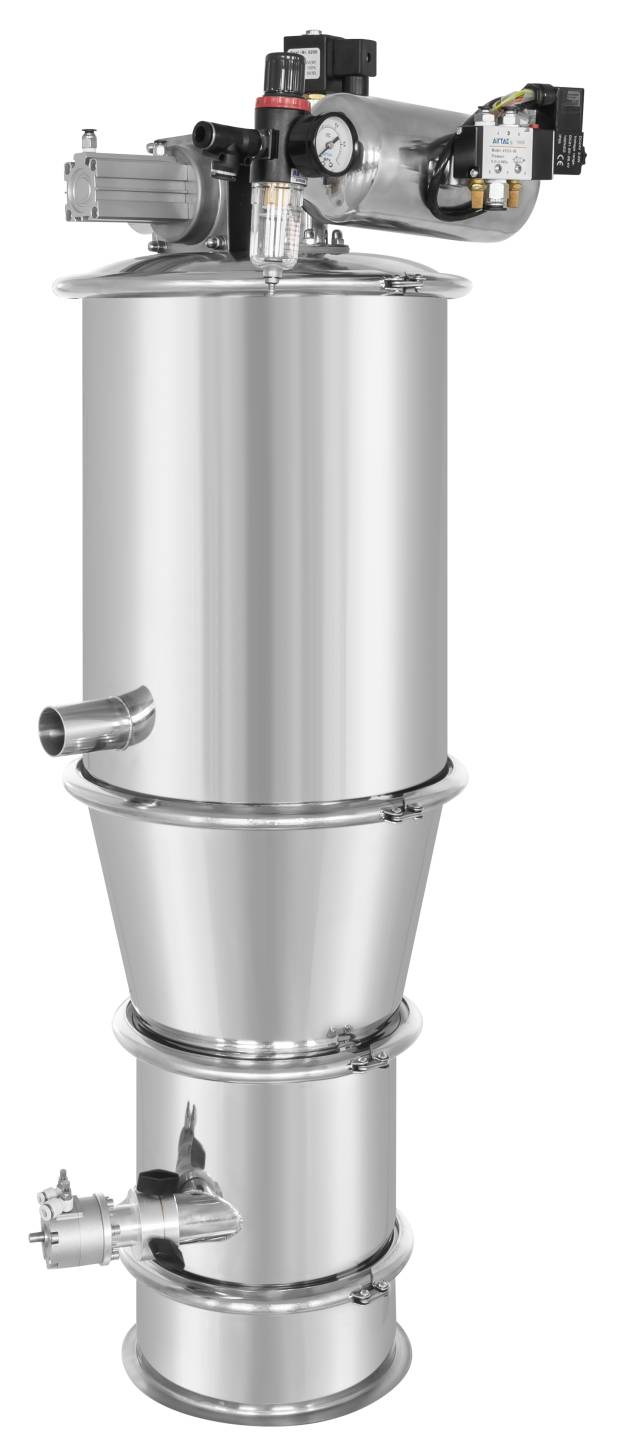
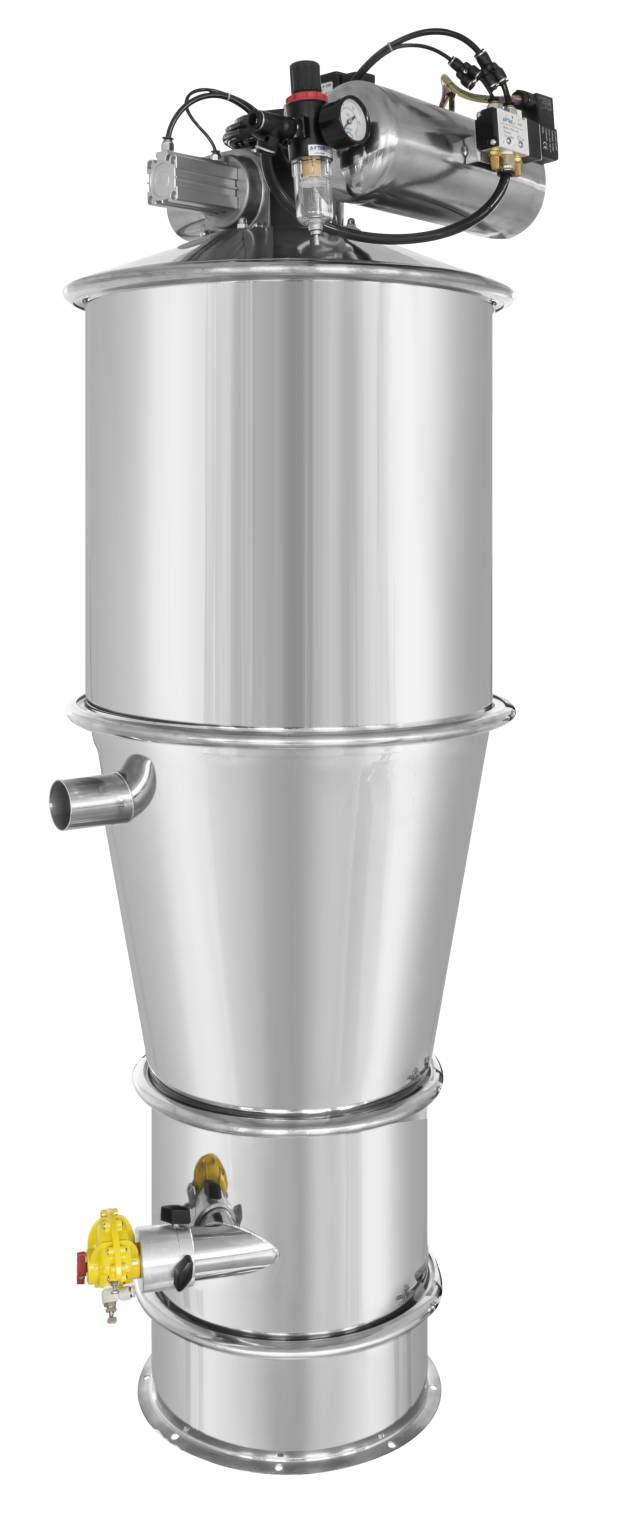
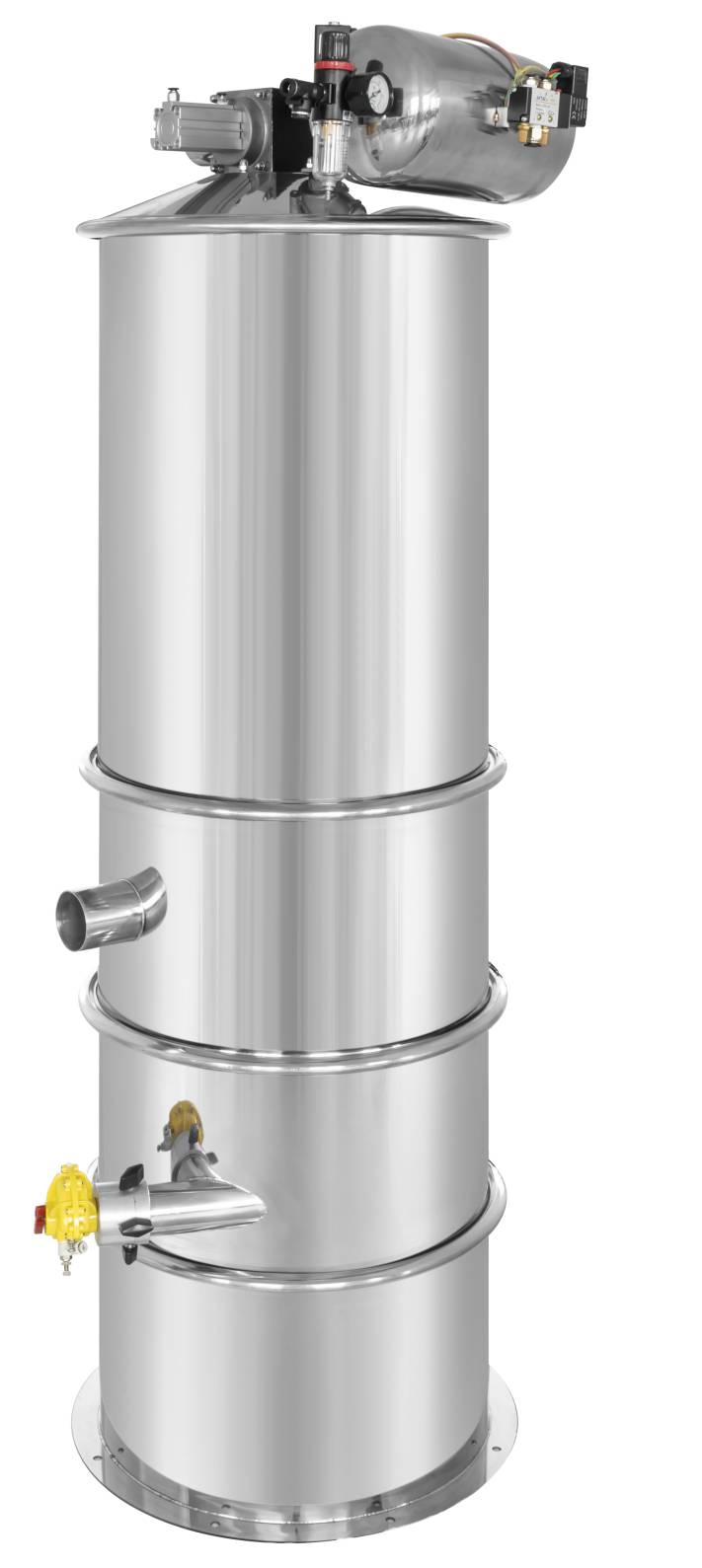
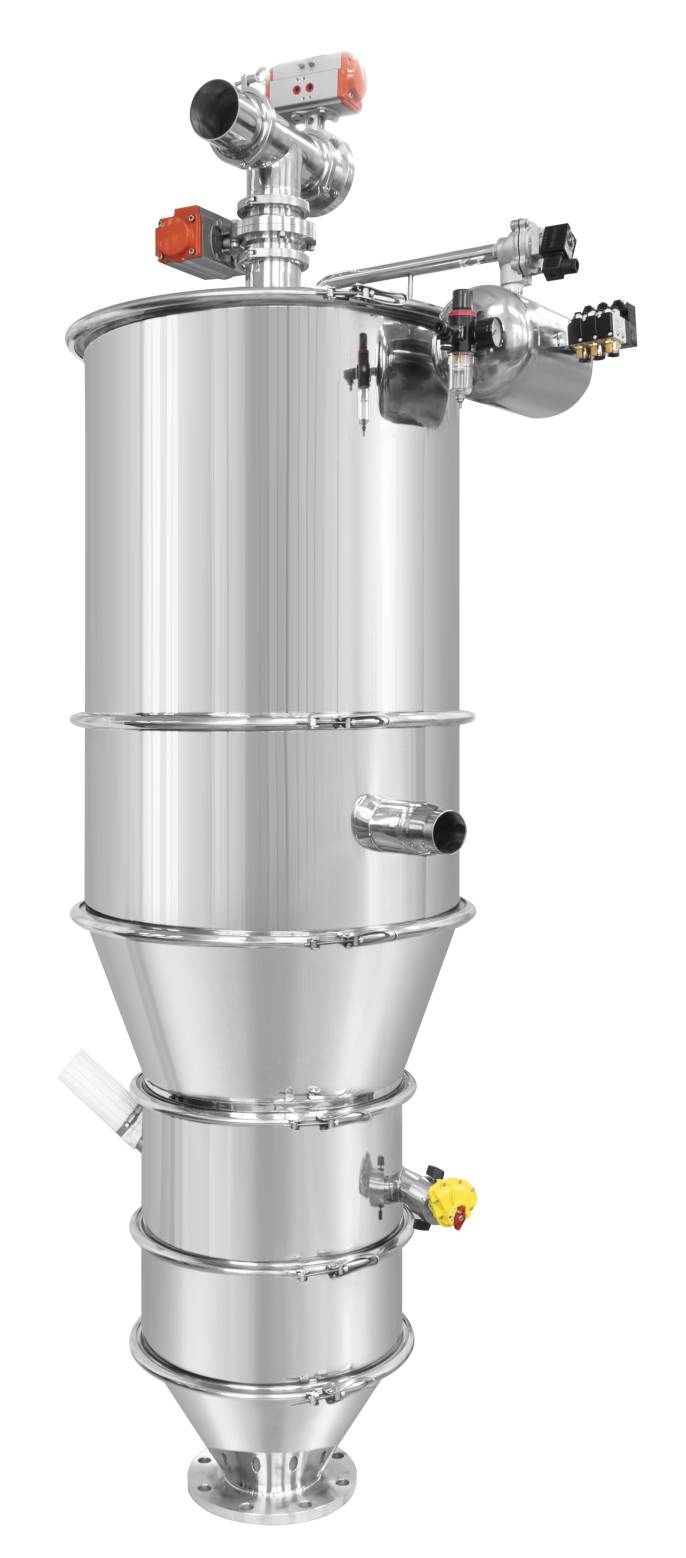
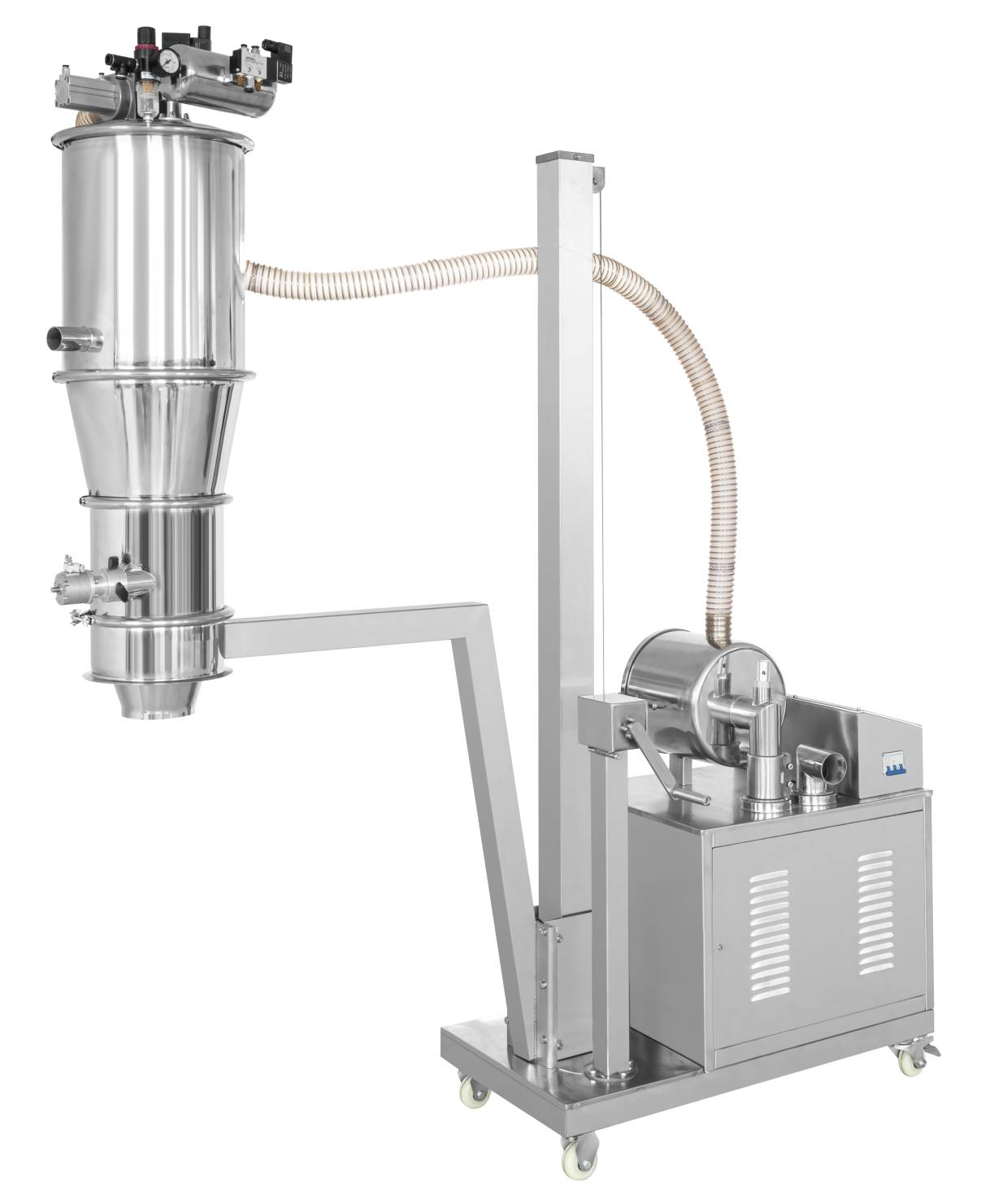
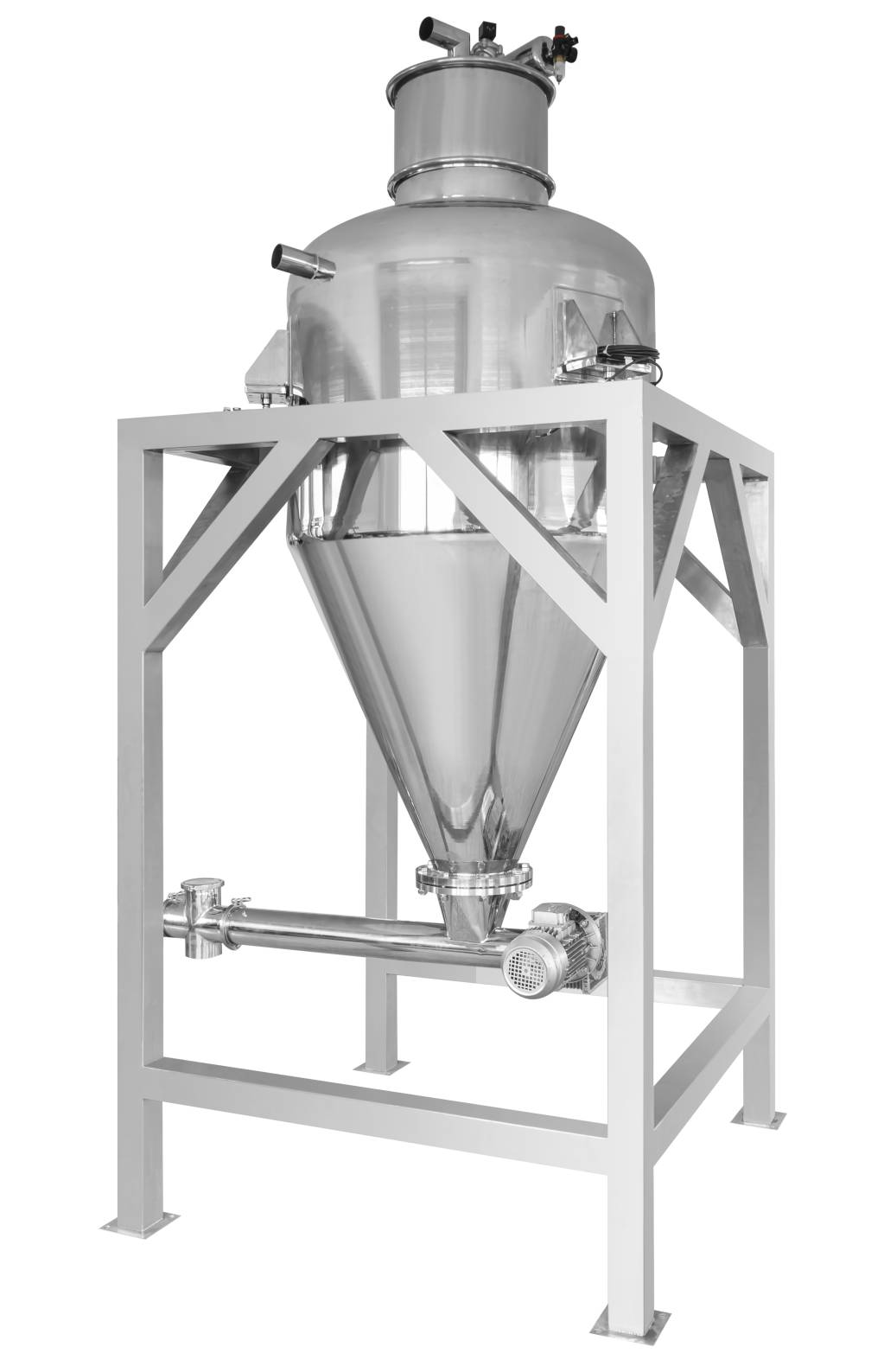
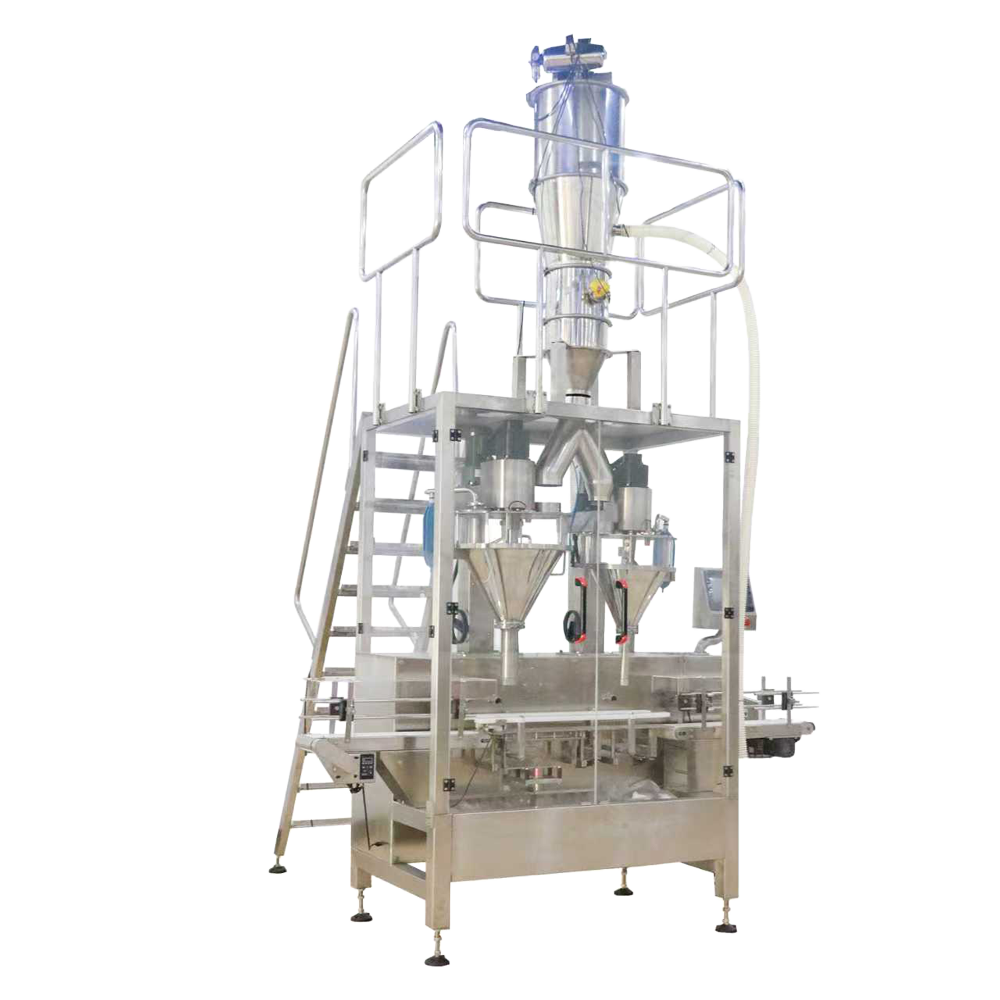
Introduction:Negative Pressure Conveying System for Dairy – Enclosed, Hygienic Efficient Powder TransportThe dairy negative pressure conveying system is an automated equipment that uses negative pressure airflow to achieve enclosed transport of powdere……
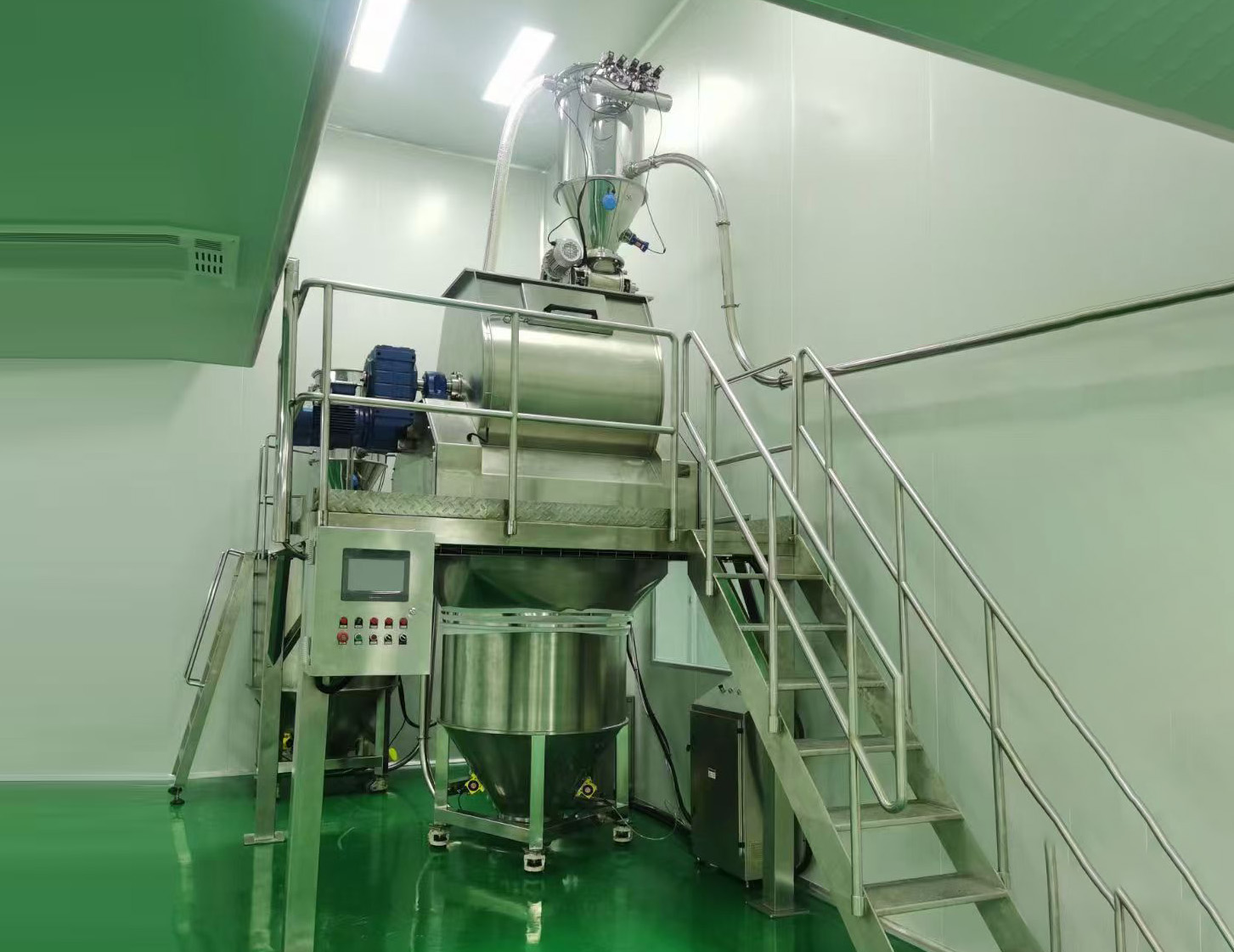
Negative Pressure Conveying System for Dairy – Enclosed, Hygienic & Efficient Powder Transport
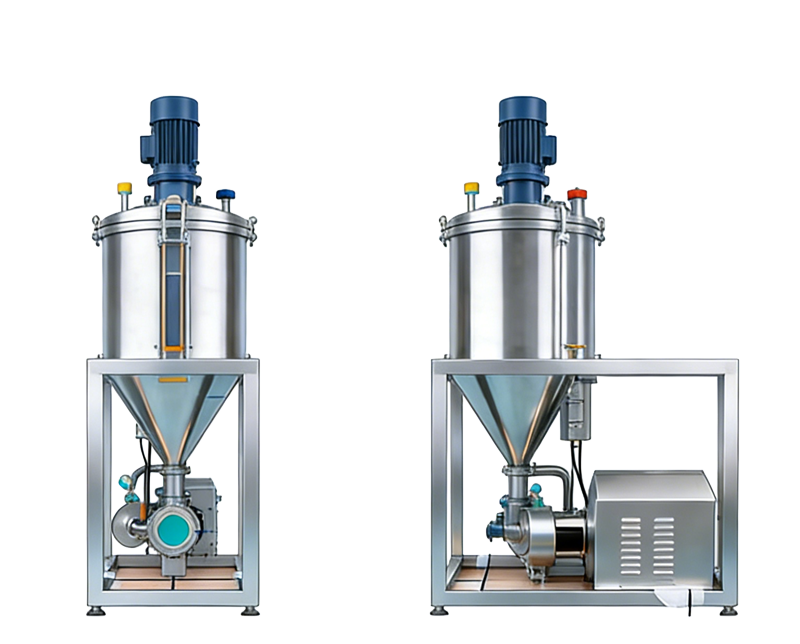
The dairy negative pressure conveying system is an automated equipment that uses negative pressure airflow to achieve enclosed transport of powdered and granular dairy materials (such as milk powder, whey powder, lactose powder). It is widely used in batching, mixing, and packaging processes within dairy processing plants. With its core advantages of "low energy consumption, high cleanliness, and contamination prevention," this system aligns with the stringent hygiene and safety standards of the dairy industry and serves as a key supporting system for modern dairy production.
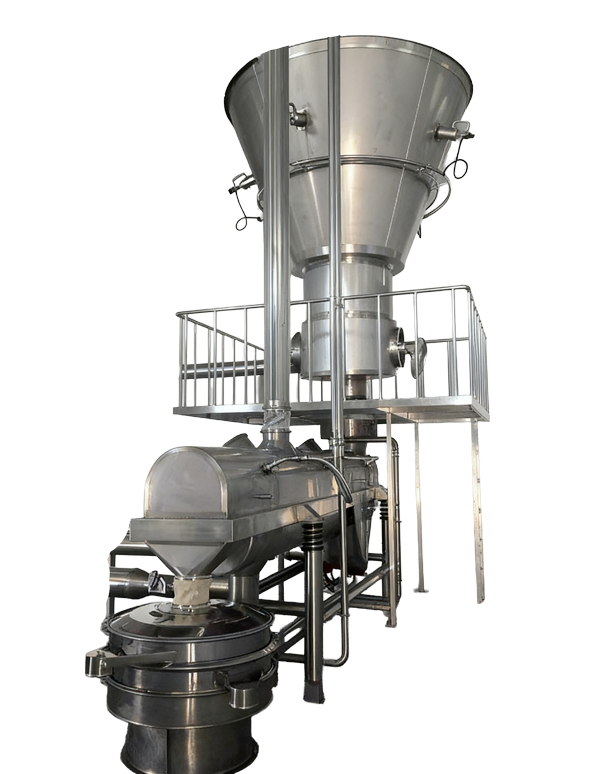
The power source of the negative pressure conveying system is a vacuum pump. The vacuum pump extracts air from the conveying pipeline, creating a negative pressure environment inside the pipeline that is lower than the outside atmospheric pressure. Under atmospheric pressure, outside air carries dairy materials from the storage hopper into the conveying pipeline. The mixture of airflow and material moves at high speed inside the pipeline. Upon reaching the destination, a separator (cyclone separator + bag filter) achieves gas-solid separation: the material is retained by gravity沉降 or filtration and enters the designated hopper/equipment; the dust-laden exhaust gas is purified by the filter and then discharged by the vacuum pump or recirculated back into the system.
The entire process is an enclosed cycle – no material leakage, no intrusion of external impurities – fundamentally ensuring the hygiene and safety of dairy products.
High Hygiene & Safety Level
Fully enclosed conveying – no dust emission, no material contamination. Eliminates impurity ingress and microbial contamination caused by manual handling. Meets GMP food production standards and HACCP hazard analysis and critical control point requirements.
Extremely Low Material Loss Rate
Compared to traditional mechanical conveying (e.g., belt conveyors, drag chain conveyors), negative pressure conveying leaves no material residue and causes no friction loss. Material recovery rate can reach over 99.9%, particularly suitable for high-value milk powder and whey protein powder.
Strong Adaptability – Preserves Material Characteristics
Negative pressure conveying is a gentle conveying method with controllable airflow velocity, avoiding breakage and caking of granular dairy materials – maintaining the original particle size and flowability. Can be designed with multiple pick-up points and multiple discharge points to suit complex production line layouts.
Energy-Saving, Environmentally Friendly & Easy Maintenance
Lower energy consumption than positive pressure conveying, with no waste caused by material leakage. Components are standardized with quick-connect fittings for easy disassembly and cleaning. Routine maintenance only requires periodic inspection of filter bags and vacuum pump oil – low maintenance cost.
Improved Workshop Environment
No dust pollution – workshop air quality meets standards, reducing the risk of respiratory diseases for workers, complying with occupational health and safety standards.
In dairy processing plants, the negative pressure conveying system is mainly used in the following processes:
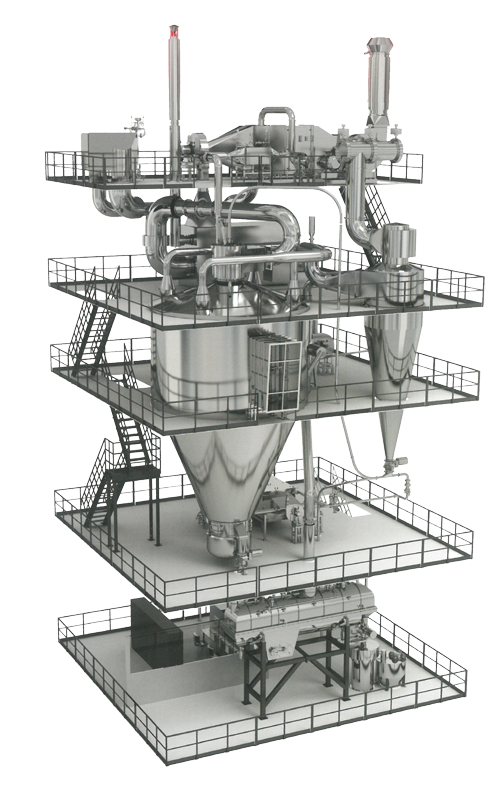
Milk Powder Production Line: Conveys milk powder from the spray drying tower bottom to storage hoppers, mixers, and packaging machines.
Batching Process: Precisely conveys whey powder, lactose powder, nutritional fortifiers, and other auxiliary materials to batching tanks, enabling automated batching.
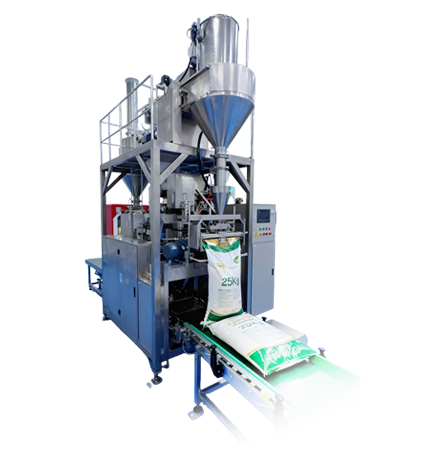
Finished Product Conveying: Conveys finished milk powder before packaging to buffer bins, or from warehouses to packaging lines – replacing manual handling.
Waste Material Recovery: Recovers small quantities of不合格 milk powder generated during production for centralized treatment and reuse.

Top






 location: